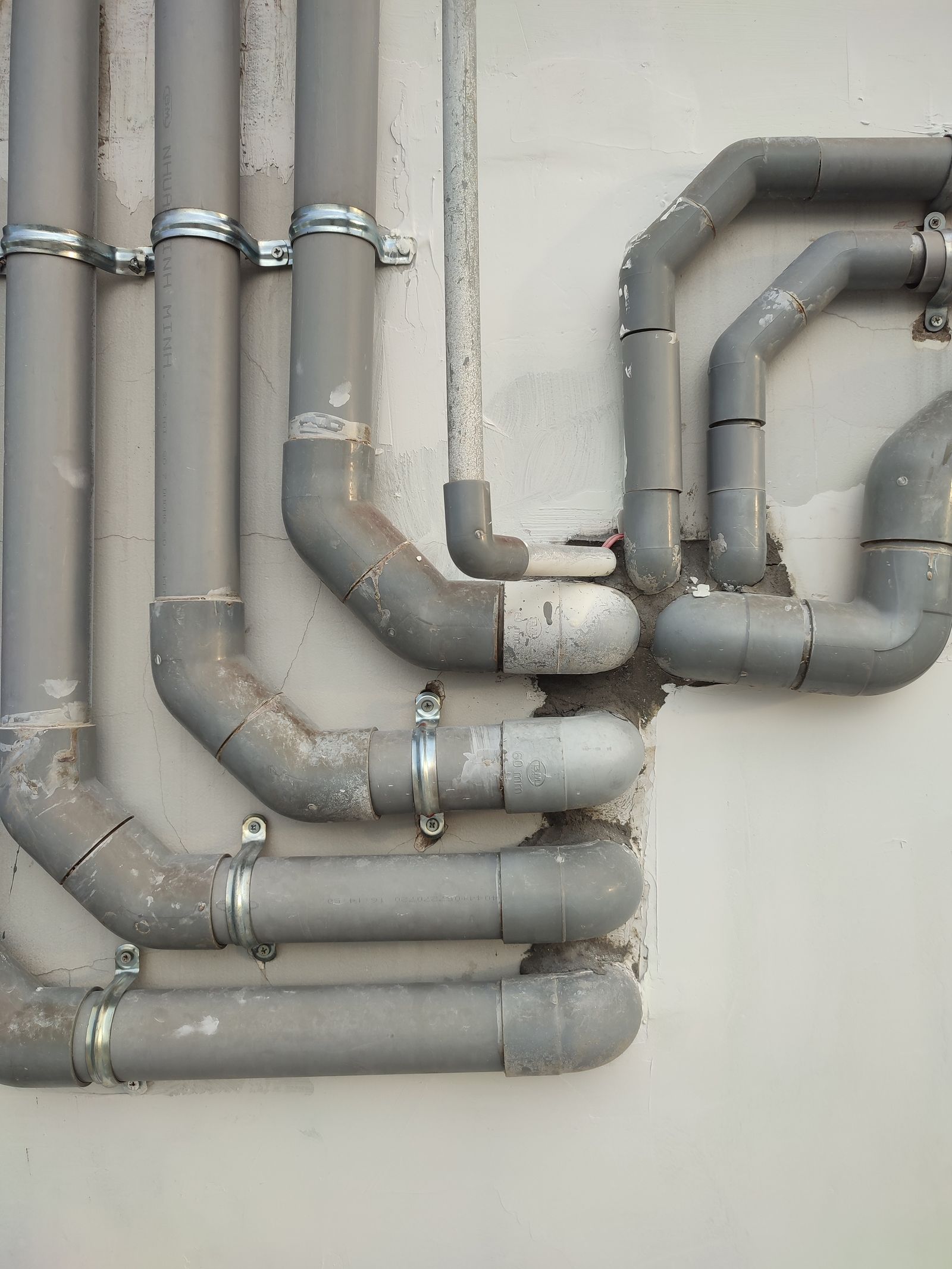
Sewer cleanout installation in Venice adds a cleanout, which is a capped opening on your sewer line outside the house, so a technician can reach the pipe without pulling a toilet or climbing onto the roof. Some older homes were built without one, which can make service slower and messier.
This page explains what a cleanout is, where to look, what the options are and how a local pro adds one.
What a sewer cleanout is and where it usually sits
A cleanout is a short vertical pipe tied into the sewer line, finished with a threaded cap near ground level. Take the cap off and you have direct access to the pipe. A technician can send a cable or camera in either direction without going through the house.
An outdoor sewer cleanout most often sits near the house, close to where the line leaves the building, or somewhere along the path toward the street. On slab homes it is commonly in the yard beside the foundation, often in a small box or poking out of the soil or mulch. Some lines have a second one near the property line.
The cap is typically round, threaded and sometimes square-nutted. It can be white, black or gray plastic, or older metal. Yours may be buried under grass, sand or landscaping.
Venice homes without a cleanout, common in older housing
Some older houses in the historic island core were plumbed before cleanouts were a routine feature. Over the decades some have been added during repairs, and some never were. The same goes for boom-era homes in the historic districts, where a previous owner may have patched the line without adding access.
When there is no cleanout, a technician usually has to find another way in. That can mean pulling a toilet, using a roof vent or working through a fixture inside the house. These routes are workable, but they are slower, they risk spills indoors and they limit how far a camera can travel.
Adding a cleanout is less often needed in newer mainland subdivisions, which more often have one, though not always. Condo and villa communities can differ again, because part of the line may be the association's. Owners looking at sewer clogs in Bird Bay should ask their association what applies before anyone digs. For a newer subdivision, sewer damage in Pinebrook shows how a typical mainland lot is approached.
One-way versus two-way cleanouts
Cleanouts come in two general shapes. A one-way fitting lets a technician send a cable or camera in a single direction, usually toward the main. A two-way fitting, also called a two-way cleanout, uses a wye or a tee so the tool can go either way, toward the house or toward the street.
A two-way cleanout is often more useful, because it lets the technician check both sides of the access point. That matters when a problem sits between the house and the cleanout, not just downstream. A one-way can be the right choice where the layout only allows one direction.
The technician picks the type based on how the line runs, what is near it and how much room there is to work. Ask them to explain the choice for your yard.
Adding a cleanout during a repair
The right time to add a cleanout is often when the line is already open. If a section is being repaired or replaced, a fitting can be added during the same work, with little extra digging. That is why a cleanout is commonly part of a spot repair, a replacement or a trenchless job.
If the line is being lined or burst in place, access points are needed anyway, and a permanent cleanout can double as one. Our page on trenchless sewer repair explains how those access points work.
Adding a cleanout on a line that is otherwise fine is also possible. To install a sewer cleanout, the pro cuts into the pipe in the yard, sets the fitting and the riser, and caps it at grade. Whether that is simple or involved depends on how deep the line is and what is above it. Concrete, pavers, tree roots and landscaping can all change the plan.
Why a cleanout makes future service faster
With a cleanout in place, a technician does not have to build access before starting. The camera can go in at the start, which is the first step of an honest diagnosis, and a sewer camera inspection from a cleanout often shows a longer stretch of the line.
Clearing is simpler too. The cable or jetter goes in outside, so there is less risk of water or debris reaching the floors. Roots and blockages can be reached from the yard side.
Other practical benefits:
- Fewer interruptions inside the house during service
- A fixed spot where the camera and locator can start
- A clear place to check whether a backup is on your side of the line
- Less disruption for technicians and for you when the next problem comes
A cleanout does not prevent problems. It makes them easier to see and reach.
Finding your cleanout
Before you call, start outside, near the house, on the side where the main drain exits. Look for a round cap, a few inches across, at or just above the soil. Check along the foundation, near the kitchen and bathrooms, and in any garden bed or mulch. Sandy Venice soil and plantings can cover the cap over time.
If you find a likely cap, leave it closed. Under a backup it can hold pressure, and opening it is a job for the technician. Make a note of where it is and mention it when you call.
If you cannot find one, tell the pro where you looked. When there is nothing, a pro can often locate the line and recommend where to add one. A sewer scope before buying a house is a good moment to learn whether a house you are considering has one.