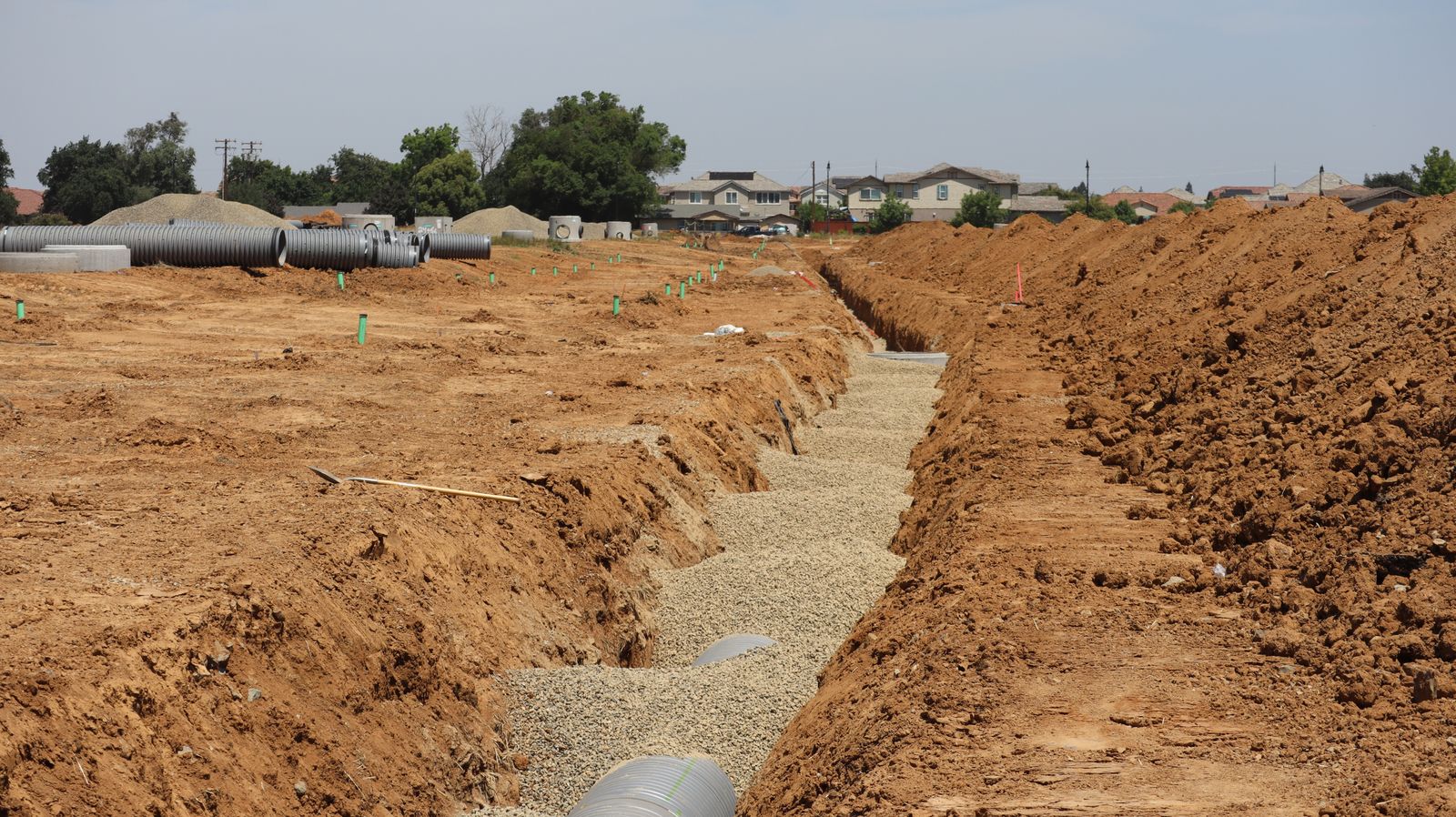
Trenchless sewer repair in Venice is a way to fix a failing sewer lateral without opening a trench along its whole length. Instead of digging up the lawn, driveway or garden bed, a technician works from one or two small access points and either lines the old pipe or pulls a new one through it. It sounds like the answer to everything, and it is not. Some pipes are good candidates and some are not, and you only find out by looking inside.
That is why the first step on this page is always the same: a camera goes in before anyone recommends a method. If you already have video from an earlier look, mention it when you call, and a local pro can tell you whether it points toward lining, bursting or a different repair. If you do not, sewer camera inspection is where the conversation begins.
What trenchless means for a sewer lateral
The sewer lateral is the pipe that carries wastewater from your house to the public main. Traditional repair opens a trench above it, removes the damaged pipe and lays new pipe in the same path. Trenchless methods leave most of the ground in place. The work happens inside or along the existing pipe path, reached through a cleanout or a small pit.
Two methods cover most of what people mean by the term, and the first, sewer pipe lining, is the more common. One creates a new pipe surface inside the old pipe. The other breaks the old pipe apart as it pulls a new one into the same channel. Both are sometimes grouped under the phrase no dig sewer repair, although "no dig" is not quite true, since an access pit is usually still needed.
Sewer pipe lining and pipe bursting side by side
Sewer pipe lining uses a flexible resin-soaked sleeve that is pushed into the old pipe and cured so it hardens against the inside wall. The result is a pipe within a pipe. It works well when the existing pipe is still mostly in line and holding its shape, with problems like small cracks, open joints or light root entry.
Pipe bursting sewer line work is different. A bursting head is pulled through the old pipe, fractures it outward into the surrounding soil and drags new pipe in behind it. It can be considered when the old pipe is too damaged to line, or when the technician wants a larger or fresh pipe in the same path.
| Lining | Pipe bursting | |
|---|---|---|
| What happens | A resin sleeve is cured inside the old pipe | Old pipe is broken apart and new pipe is pulled in |
| Old pipe condition | Needs to hold its shape and stay roughly in line | Can be badly cracked, but must be a path a head can follow |
| Access needed | Cleanout plus sometimes a small pit | Entry pit and exit pit at each end |
| Common limits | Sags, collapsed sections, tight bends | Nearby buried utilities, very shallow or crowded runs |
Neither one is a universal answer. Only a look inside your own line turns this comparison into a recommendation.
When trenchless sewer repair is a good fit in Venice, and when it is not
Honest fit criteria matter more than any sales pitch when you weigh trenchless sewer repair in Venice. Trenchless repair tends to make sense when the pipe is continuous, the problem is spread along the line rather than concentrated in one broken spot, and the surface above it is hard to disturb in other ways, such as a drive, a paved patio or a mature tree.
It tends to be a poor fit in a few situations: - A sag or belly where water pools, because lining follows the old shape and does not lift it - A collapsed or crushed section the camera cannot pass through - Sharp bends or offsets that a sleeve or head cannot negotiate - A line with several badly separated joints in a short stretch, where a plain section replacement may be simpler - Pipe that has to be reconnected or rerouted at the house or the main
Sometimes the answer is a mix: dig out one failed section, then line the rest. Sometimes it is simply an open trench. A local pro who tells you trenchless will always work is guessing, and you should expect the person on the phone to say so.
Access points: cleanouts and small pits
Every trenchless job needs a way in. The most convenient entry is a cleanout, the capped pipe that sits near the house or at the edge of the lot. If your home does not have one, a technician can often add one as part of the work, and the sewer cleanout installation page explains what that involves.
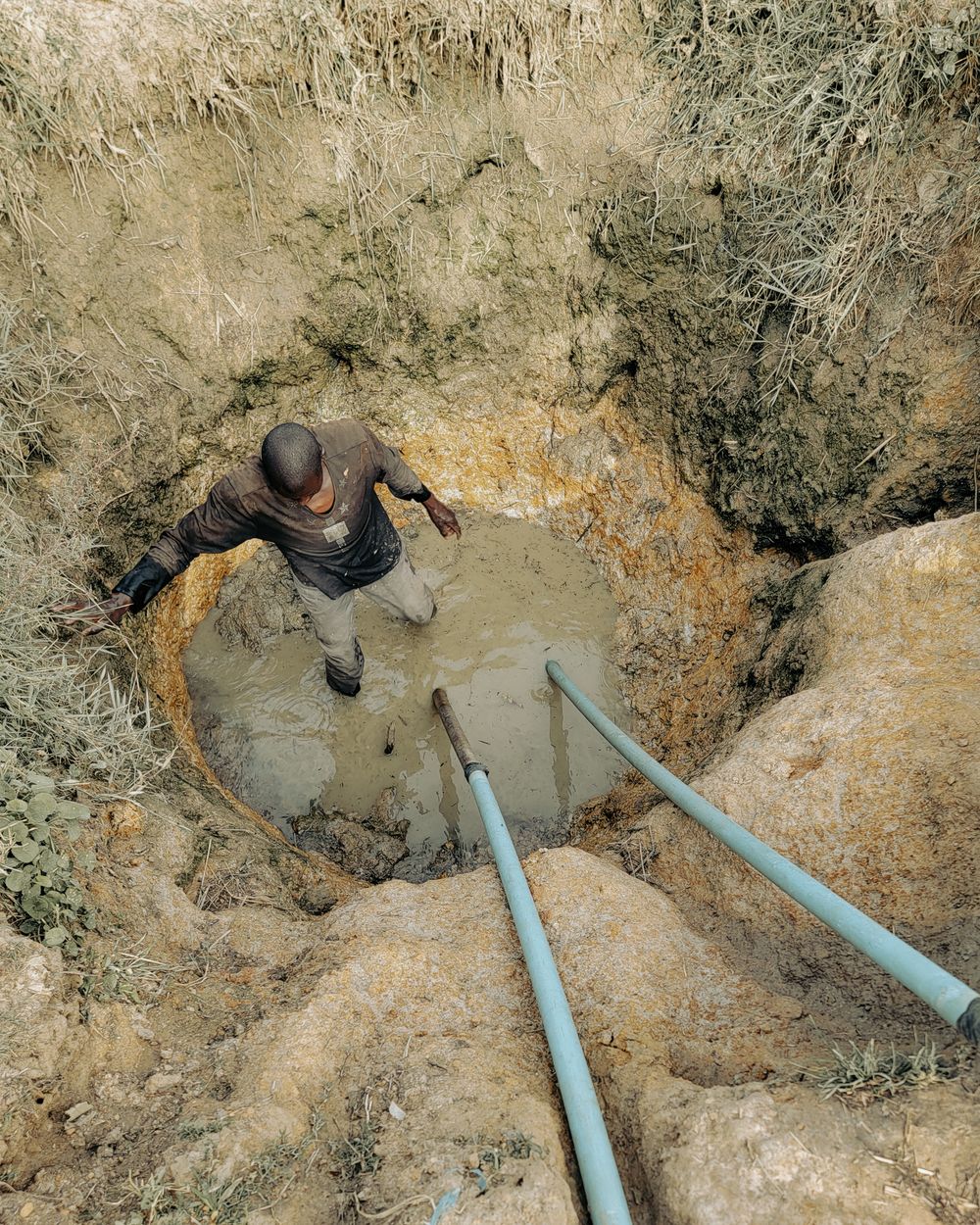
When a cleanout is not enough, the crew digs a small pit at the point where the pipe meets the house, at a bend, or at the far end of the run. These pits are normally far smaller than a full trench, but their size and number depend on depth, soil and how the line runs. Sandy Venice soil drains well but can be loose, and a high water table can make pits wetter than you would expect.
Driveways, mature trees and hardscape on Venice lots
Much of the appeal of trenchless sewer repair in Venice comes from what sits above the pipe. On a mainland lot, the lateral may run under a concrete driveway, a paver walkway or the roots of an oak or palm. Trenching through those means demolition and replacement. Working from small access points can leave most of that untouched.
Lots can be tighter near the beach and on the island, which can limit pit space. A short run with an easy cleanout may be better served by a simple section repair, and a line crossing an association's common area brings its own access questions to settle before work starts.
Slab-on-grade homes, common across Venice, mean the pipe often leaves the house right under or beside the slab. That first stretch is where access, depth and bends are tightest, and where the camera earns its keep.
What the camera has to show before anyone recommends lining
Before a technician proposes lining or bursting, the video should answer a handful of plain questions: - Is the pipe continuous from the cleanout to the main, or does the camera stop at a break? - Are there sags, and how long are they? - Where are the offsets, cracked joints and root masses, and how many? - What material is the pipe, and does it look like it will take a liner or a head? - How deep is it, and where does it run relative to the house, trees and driveways?
If a blockage stops the camera, the line usually has to be cleared first, which may mean cutting roots or jetting. A line that has already caused a sewer backup often falls into this group. Once the picture is complete, you and the technician can look at the same footage and decide on method. If tree roots are the main issue, tree roots in sewer line problems have their own page, and what lining does and does not do about them is covered below.
Venice homes and why trenchless sewer repair comes up so often
Venice homes were built in waves, and the setting around a house shapes which repair makes sense. Slab foundations, mature landscaping and sandy ground show up across town, and each one changes how a crew reaches the pipe. Joint wear and root entry are the kind of problems a liner can address when the pipe is otherwise intact, and established trees make large trenches harder to justify. For homes in the older core, the page on sewer problems in Venice Island is a good place to see how that setting shapes decisions.
Older streets also call for careful access around established landscaping, and the page on sewer trouble in Venezia Park explains how those streets are approached, including where small pits can go without disturbing more than they need to.
Away from the older core, the usual findings are a bad connection, a single damaged section or a sag from settling ground rather than widespread wear. Those are cases where a spot repair can beat trenchless, and a look at the footage makes the difference clear. Sandy soil and a high water table affect every part of town, so nothing here should be read as a promise about your own pipe.