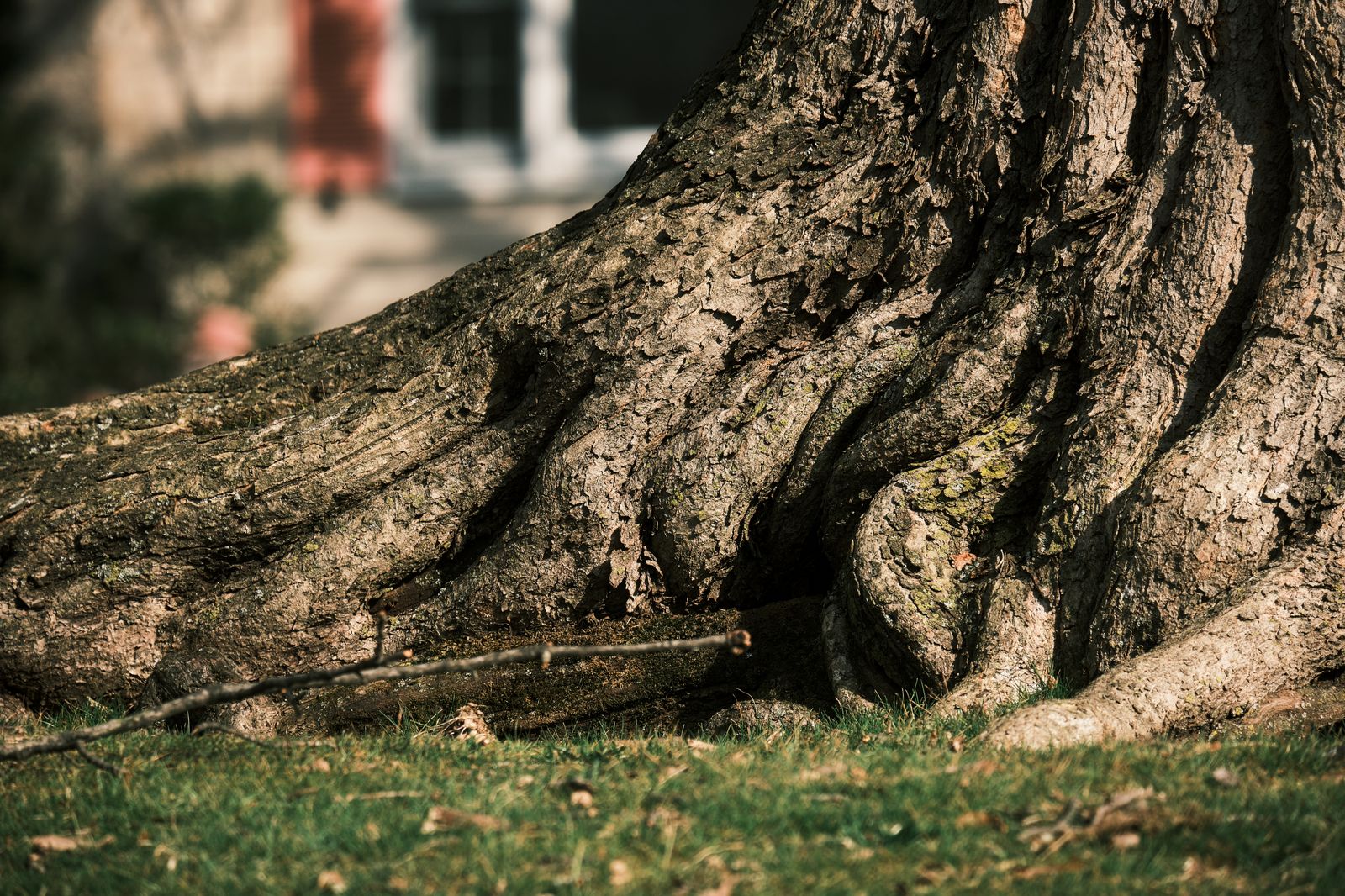
Tree roots in a sewer line are fine root threads that grow into the lateral through a joint or crack and thicken until they catch paper and waste. In Venice they are a frequent reason a lateral slows, gurgles or backs up. Roots rarely punch through solid pipe, so they look for a hairline crack or a spot where moisture seeps out. By the time the drains complain, a mass of roots may already be sitting in the pipe.
The useful question is not only how to get the roots out. It is where they got in, and whether the pipe around that spot is still sound. Call and describe what your drains are doing, and a local pro can sort out whether this sounds like roots or something else.
How tree roots in the sewer line in Venice get in
A sewer lateral is a pipe carrying warm, wet waste. Even a small leak at a joint puts moisture and nutrients into the soil right beside it, and roots are very good at finding that. Once a thread of root squeezes through, it grows inside the pipe where conditions are ideal.
This is root intrusion in a sewer pipe, and it follows a pattern. Roots favor older joints in clay or cast iron pipe, offset connections, cracks and spots where the pipe has settled. Modern PVC with tight joints gives them fewer openings, though a damaged section or a poorly made connection can still invite them. Sandy Venice soil and a high water table also keep the ground moist, which gives roots reason to spread.
Signs there are roots in the sewer lateral
Roots in the sewer lateral tend to show up in a few ways: - A main-line clog that clears and then comes back - Slow drains in several places, with the lowest fixtures affected first - Gurgling toilets when another fixture drains - A sewage smell outdoors or in the lowest part of the house - Roots pulled out on a cable during drain cleaning - A green or soggy strip of lawn along the sewer path
None of these proves roots by itself. A camera does. Looking inside shows the roots, their size and exactly where they start, which is the information a repair plan needs. The sewer backup page covers what to do when the line is already overflowing.
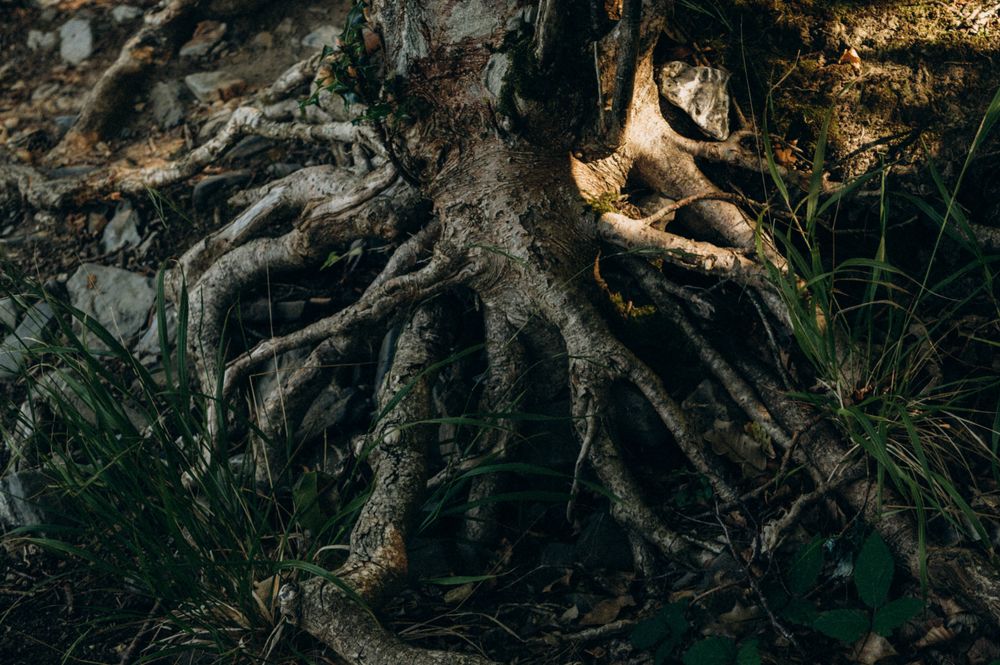
Cutting roots out of the sewer line: what it does and does not do
Clearing roots usually means one of two tools. A cutter on a cable chews through the mass, or a high-pressure water jet scours the pipe walls. Both can restore flow, and both are often the right first move because a camera cannot see past a clogged pipe.
What neither tool does is close the gap the roots used. Cutting roots out of the sewer line removes the symptom, but the opening remains, and roots tend to return to a source of moisture. How quickly they come back depends on the pipe, the trees and the soil, and nobody can promise it will not happen. Cutting also removes only what is inside the pipe, not the roots outside it that keep feeding the growth.
That is why a clear line is the beginning of the story. Once the pipe is open, the camera can run its full length and show the damage underneath.
Call now, see inside the pipe today
When roots mean the pipe itself needs repair
Roots tell you the pipe has a weakness. The footage decides how much of the line is affected, and the answers fall into a few groups: | What the camera finds | What it can mean | Common direction | |---|---|---| | A single joint with fine roots | One loose connection | Clearing, then a spot repair | | Several joints with roots | Pipe wear along the line | Lining or section replacement | | A cracked or broken pipe | Failed section | Repair or replacement | | Roots plus a sag | Settled pipe holding water | Section dug and relaid | | Heavy roots in old metal pipe | Material that tends to shed scale | A look at replacement |
When the problem runs along much of the line, replacement may be worth discussing. The cast iron sewer pipe replacement page covers older metal and clay laterals in more detail.
Trees near the line on Venice lots
Where a tree stands matters as much as what kind it is when roots are the worry. Large shade trees with wide root zones, fast-growing ornamentals and trees planted close to the sewer path tend to cause the most trouble, while a tree on the far side of a lot may never touch the line. Palms have fibrous roots that often behave differently, but that is a tendency, not a rule.
On a small lot, a tree can sit close to the pipe, and the root zone can reach it. Removing an established tree is a bigger decision than clearing roots. On the mainland, newer subdivisions often have younger landscaping near laterals, and the trees grow into the problem later.
Landscaping, pavers and irrigation also change where the moisture goes, which can pull roots toward a particular spot. Tell the technician about any recent planting or work over the line when you call.
Venice homes where roots tend to show up
In the golf and condo communities of the mainland, trees and lines often share narrow common spaces. Homes in Bird Bay have villas and condos in a golf setting, where a root problem may involve association-maintained landscaping and, in some cases, association-maintained pipe. The page on sewer clogs in Bird Bay explains how to start. Check with your association and with your city or sewer provider about who owns which part of the line.
In nearby mainland neighborhoods such as Pinebrook, subdivisions are newer and PVC is more common, so roots usually point to a bad connection, damage or a pipe that settled, not whole-line wear. The page on sewer damage in Pinebrook covers what to expect there. In older island homes with clay or cast iron, roots at the joints are a frequent finding.
Keeping roots out after the repair
Some repairs close the openings roots use, though no one can promise roots stay out. A pipe with sound, tight joints gives roots fewer ways in. Lining a pipe seals many joints from the inside. Replacing a damaged section with a modern pipe removes the weak spot. Adding a cleanout makes future checks and clearing easier. The sewer cleanout installation page explains what a cleanout does.
Beyond that, keep an eye on warning signs and call early. A line that is checked after a slow drain is easier to deal with than one that is inspected after a backup. Skip chemical drain products until a camera shows what is happening.